
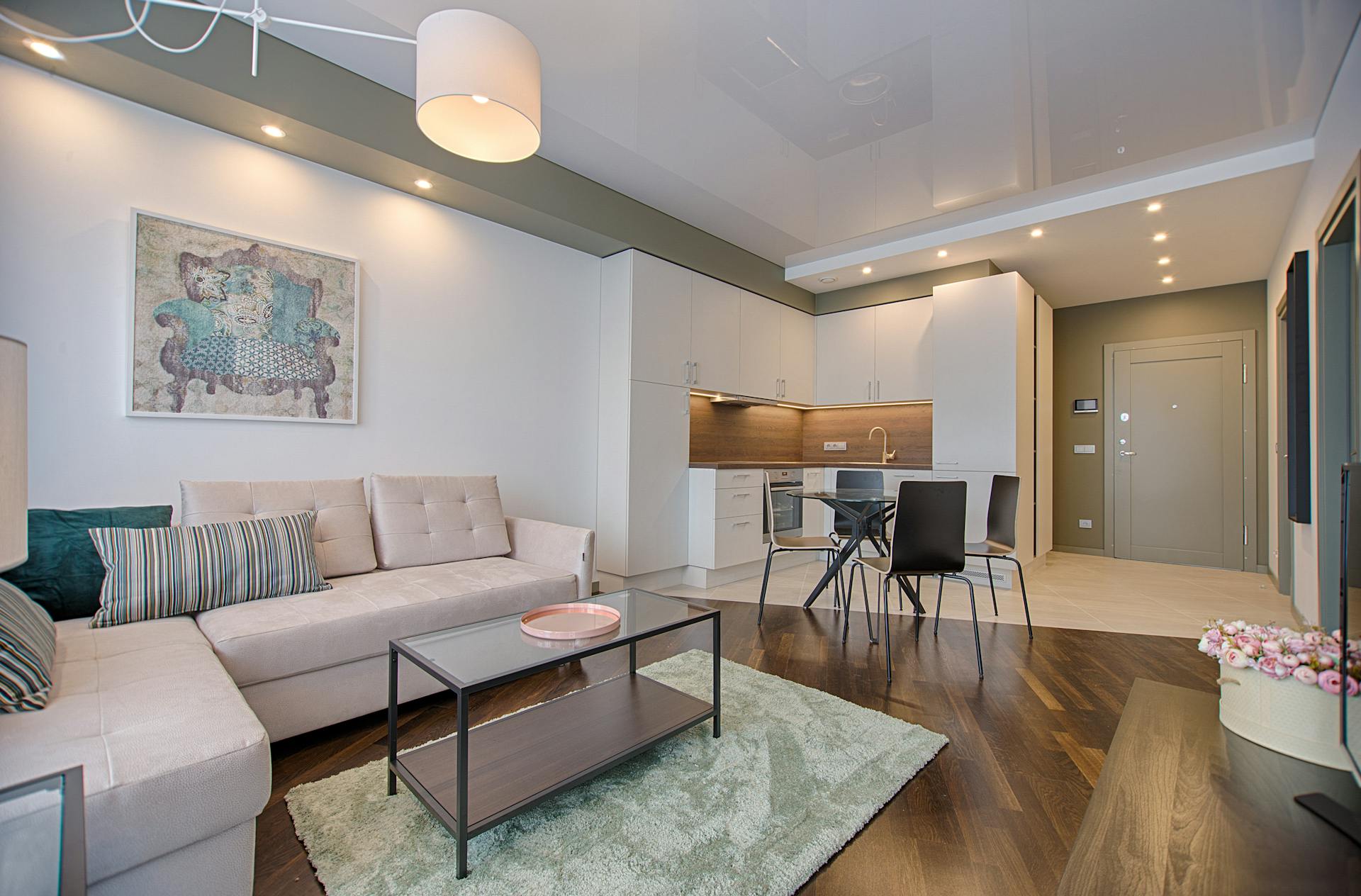
Dining Room Refresh: From Dated to Stunning in a Weekend
The dining room is where family milestones are celebrated, where guests linger over long meals, and where everyday dinners become something worth looking forward to. If yours feels tired, dark, or disconnected from the rest of your home, a targeted weekend refresh can achieve a dramatic transformation. From lighting and paint to furniture arrangement and…

Dining rooms occupy a unique position in home design: they are rooms with a singular, clearly defined purpose, yet they must also feel festive enough for celebrations and relaxed enough for Tuesday night dinner. When the design gets it right, a dining room encourages people to linger. When it gets it wrong, everyone migrates to the couch as quickly as possible.
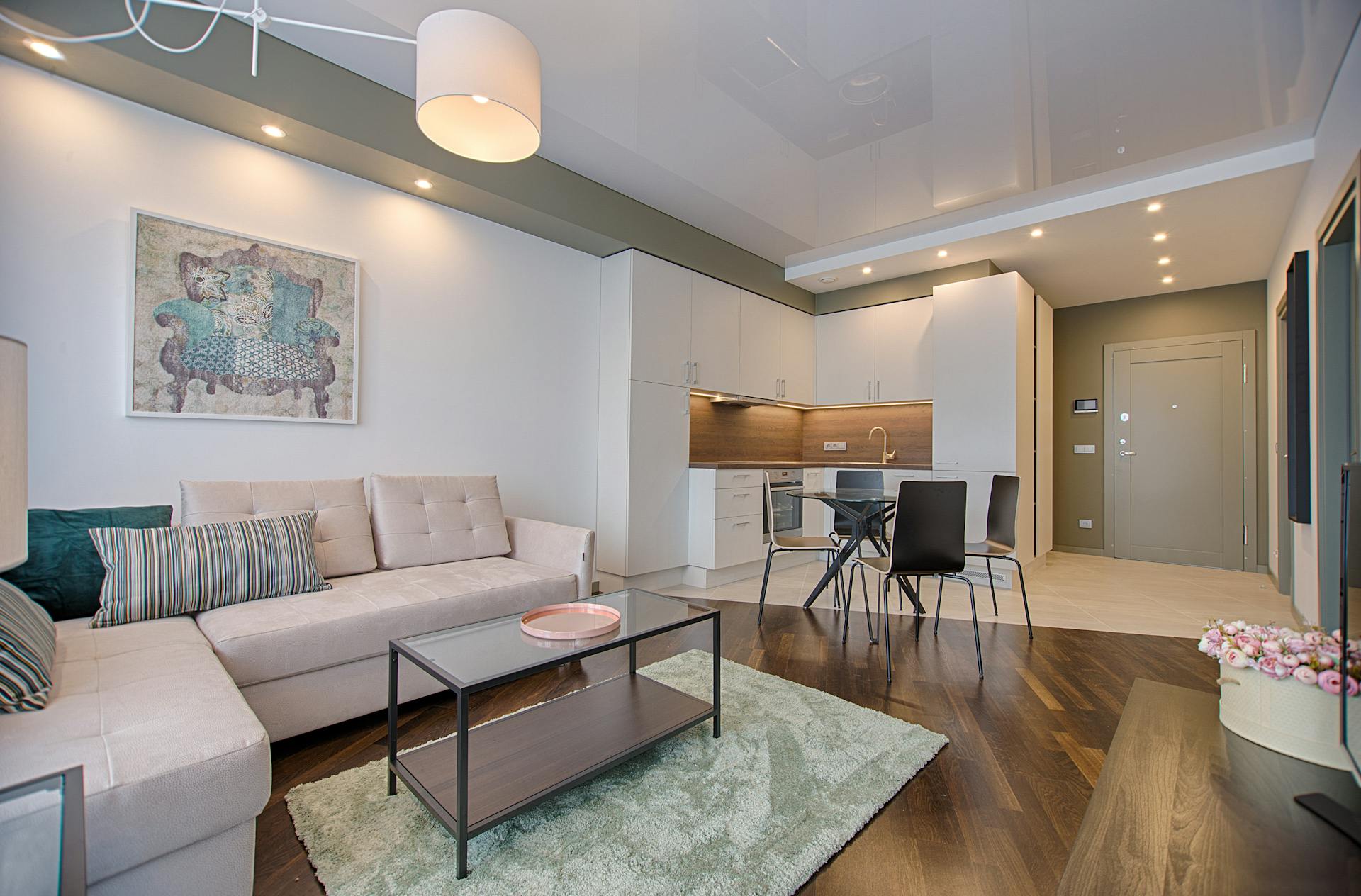
The good news is that dining rooms can be refreshed dramatically with targeted changes that don’t require structural work, significant budget, or more than a weekend of effort. Here’s a comprehensive approach to a dining room transformation.
Start With the Light Fixture
Nothing defines a dining room more immediately than the light fixture above the table. An outdated brass chandelier, a generic flush-mount, or a fixture that’s disproportionately small for the space signals neglect immediately. Replacing the dining room light fixture is among the highest-impact single changes you can make to any room, and it’s a project most homeowners can accomplish in an afternoon. Guidelines for selecting the right fixture: the diameter of the chandelier in inches should roughly equal the sum of the room’s length and width in feet; the bottom of the fixture should hang 30–36 inches above the table surface for standard 8-foot ceilings.
Paint the Walls a More Intentional Color
Dining rooms are one of the few residential spaces where bold, saturated color consistently works — and works well. Deep navy, forest green, burgundy, charcoal, and rich terracotta all create the sense of enclosure and intimacy that makes a dining room feel like an event. The dining room is also a candidate for an all-over color treatment (ceiling, walls, and trim in the same or closely related tones) which creates a jewel-box effect that elevates the space dramatically.
Upgrade or Reupholster Your Seating
Dining chairs are among the most cost-effective furniture pieces to refresh. Worn seat cushions can be reupholstered with new fabric for $20–$50 per chair — a skill level achievable for any motivated DIYer with a staple gun. A contrasting chair at the head of the table (a carver or captain’s chair) creates visual hierarchy and personality. Mixing chair styles — matched side chairs with mismatched heads, or fully mixed vintage chairs unified by a common paint color — is a design move that reads as intentional and elevated rather than random.
- Upholstery fabric choices: performance velvet, textured linen, faux leather, or indoor-outdoor fabric for easy cleaning
- Painted chairs: a single coat of chalk paint and a wax topcoat transforms wooden chairs for under $30 per chair
- Chair height: standard dining chairs seat 17–19 inches from floor; counter-height tables require 24–26 inch seats
Add a Sideboard or Buffet
A sideboard serves both practical and aesthetic functions in a dining room: it provides serving surface during meals, storage for tableware and linens, and a surface for decorative objects and art between meals. If your dining room lacks a sideboard, adding one immediately grounds the space and makes it feel more complete. Vintage and thrift store sideboards refinished in a fresh color or stain are excellent budget options.
Layer Your Table Styling
A dining table set with intention looks entirely different from a bare table or one cluttered with mail and miscellaneous items. An everyday centerpiece — a simple arrangement of candles at varying heights, a bowl of seasonal fruit, a low vase of stems — anchors the table and makes the room feel lived in and cared for. A table runner adds color and texture without requiring a full tablecloth. For special occasions, invest in a few quality linens in neutral tones that work across multiple seasons and occasions.
Install a Statement Wall Treatment
Wallpaper is having a major resurgence in dining rooms, and for good reason — a pattern that would be overwhelming in a larger room becomes exactly right in the intimate scale of a dining space. Grasscloth, linen texture, or a bold botanical or geometric print all create visual richness that paint alone cannot achieve. Wainscoting or board-and-batten paneling on the lower half of the walls adds architectural character that ages beautifully and complements both traditional and contemporary styles.
A weekend’s worth of focused effort — a new light fixture, fresh paint, reupholstered chairs, and a thoughtfully styled table — can transform a dining room from a space you pass through to a destination you look forward to.
3 responses
-
The lighting tip about using a dimmer switch on a chandelier is so simple and so transformative. Our dining room went from harsh and bright to warm and inviting with a $15 dimmer and the same fixture. Cannot recommend it enough.
-
We repainted our dining room a deep terracotta and followed the wainscoting advice in this article. The combination made the room feel incredibly rich and cozy. Cost us around $400 total and the dining experience completely changed.
-
Xavier, terracotta is such a beautiful choice for a dining room — very European feeling. We went with a moody sage and had a similar result. Paint color really does so much heavy lifting.
-


Leave a Reply